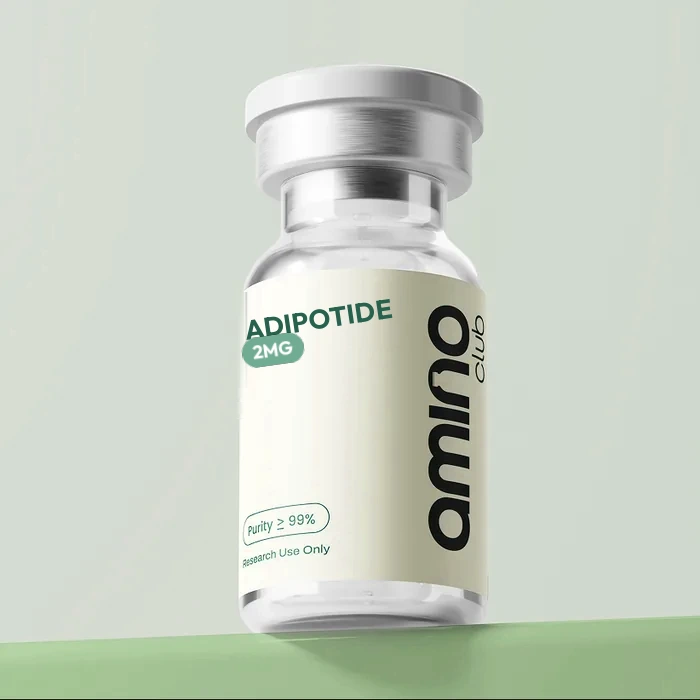
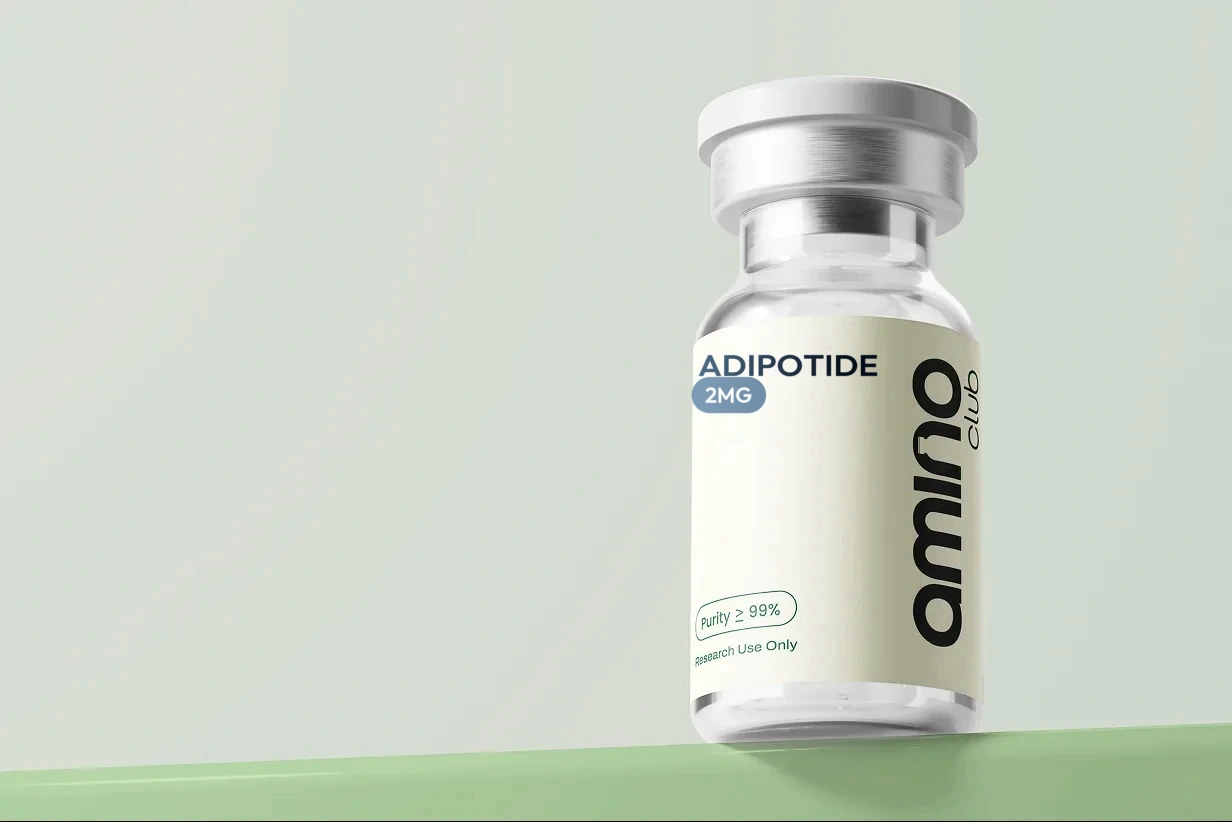
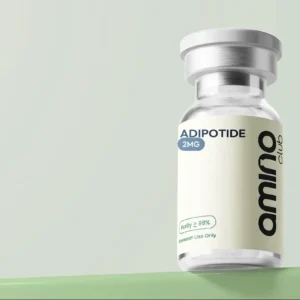
Adipotide


Price range: $58.00 through $128.00
Proapoptotic peptidomimetic targeting adipose vasculature, supplied for metabolic research.Adipotide is an investigational synthetic peptide studied in preclinical research involving targeted vascular pathways and adipose tissue biology. Its research profile has attracted scientific interest in areas such as peptide-target interactions, angiogenesis, and metabolic research. Supplied for controlled laboratory investigation, Adipotide is not an approved weight-loss medication or established human treatment.
Adipotide: An Informational Guide to Peptide Research
Adipotide is an investigational synthetic peptide studied primarily in preclinical research involving adipose tissue biology and targeted vascular pathways. It has attracted scientific interest because of its proposed interaction with blood vessels associated with fat tissue. Research into Adipotide provides an opportunity to explore peptide targeting, vascular biology, and mechanisms involved in adipose tissue regulation.
What Is Adipotide?
Adipotide, also known in scientific literature as FTPP, is an experimental peptide designed to target specific vascular structures associated with adipose tissue. Its research concept involves combining a targeting component with a sequence associated with programmed cell death.
Unlike naturally occurring hormones, Adipotide was developed as a synthetic research compound. Its proposed mechanism has made it a subject of investigation in experimental models examining targeted biological pathways.
How Does Adipotide Work in Research?
Adipotide has been investigated for its interaction with vascular targets associated with adipose tissue. Preclinical research has explored whether this targeting approach can affect the blood vessels that support fat tissue.
The proposed mechanism involves targeted delivery of a cell-death-inducing signal. However, this remains an experimental research concept, and findings from animal studies should not be interpreted as proof of safety or effectiveness in humans.
Researchers study these mechanisms to better understand how targeted peptides interact with biological structures and how selective molecular targeting may influence cellular responses.
Adipotide and Adipose Tissue Research
Adipose tissue is a complex biological system involved in energy storage, metabolic signaling, and endocrine communication. Its function depends on interactions between fat cells, blood vessels, and surrounding tissues.
Adipotide research has focused on the relationship between vascular structures and adipose tissue. Investigating these interactions may help scientists understand the role of tissue-specific vascular pathways in experimental metabolic models.
This research is distinct from established clinical weight-management approaches, and the available preclinical findings do not establish Adipotide as a human weight-loss treatment.
Why Is Adipotide Studied?
Adipotide is of interest in several areas of experimental science:
- Peptide-targeting mechanisms
- Vascular biology and angiogenesis
- Adipose tissue research
- Cellular signaling and programmed cell death
- Experimental metabolic research
These research areas help scientists investigate how synthetic peptides can interact with specific biological targets. They also provide opportunities to examine the limitations, selectivity, and potential biological effects of targeted peptide designs.
Product Quality and Research Considerations
For laboratory research, material identity and analytical documentation are important. Researchers evaluating Adipotide should consider available information about peptide identity, purity, batch characterization, and analytical testing.
Clear documentation supports research consistency and helps laboratories understand the material used in an experiment. Storage and handling should follow the supplier’s documented recommendations and applicable laboratory procedures.
Safety and Research-Use Notice
Adipotide remains an investigational compound, and its preclinical research profile should not be confused with established clinical evidence. Experimental findings do not automatically demonstrate safety, effectiveness, or suitability for human use.
It is not an approved weight-loss medication. Research-grade material should be handled only in appropriate scientific settings by qualified personnel. This article is informational and does not provide medical advice or instructions for human use.
Final Thoughts on Adipotide
Adipotide is a subject of ongoing scientific interest because of its proposed targeting of vascular pathways associated with adipose tissue. Its research background connects peptide chemistry, vascular biology, and experimental metabolic science.
For research laboratories, properly characterized Adipotide may serve as a material for controlled investigation of targeted peptide mechanisms. Accurate product information, analytical transparency, and responsible laboratory practices remain essential when working with investigational compounds.
Related products


Sexual Health


Cognitive & Sleep






Longevity


Lab Supplies


Longevity