
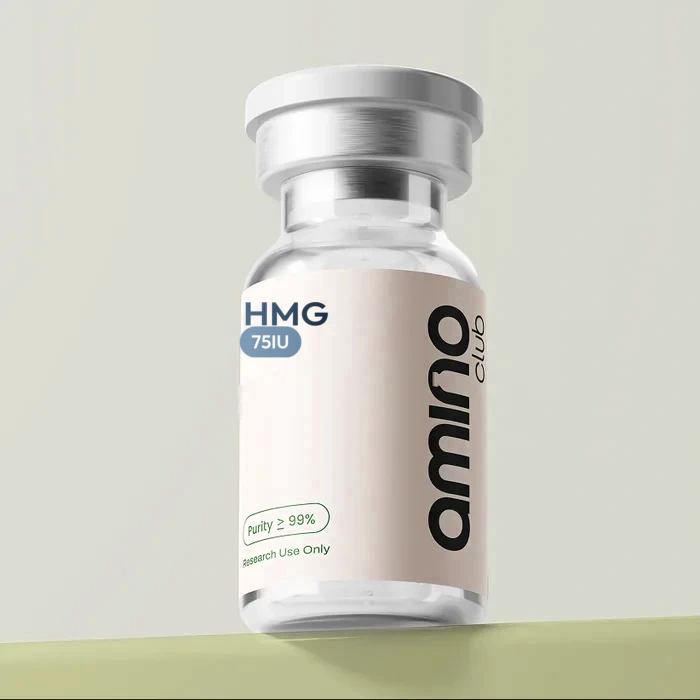
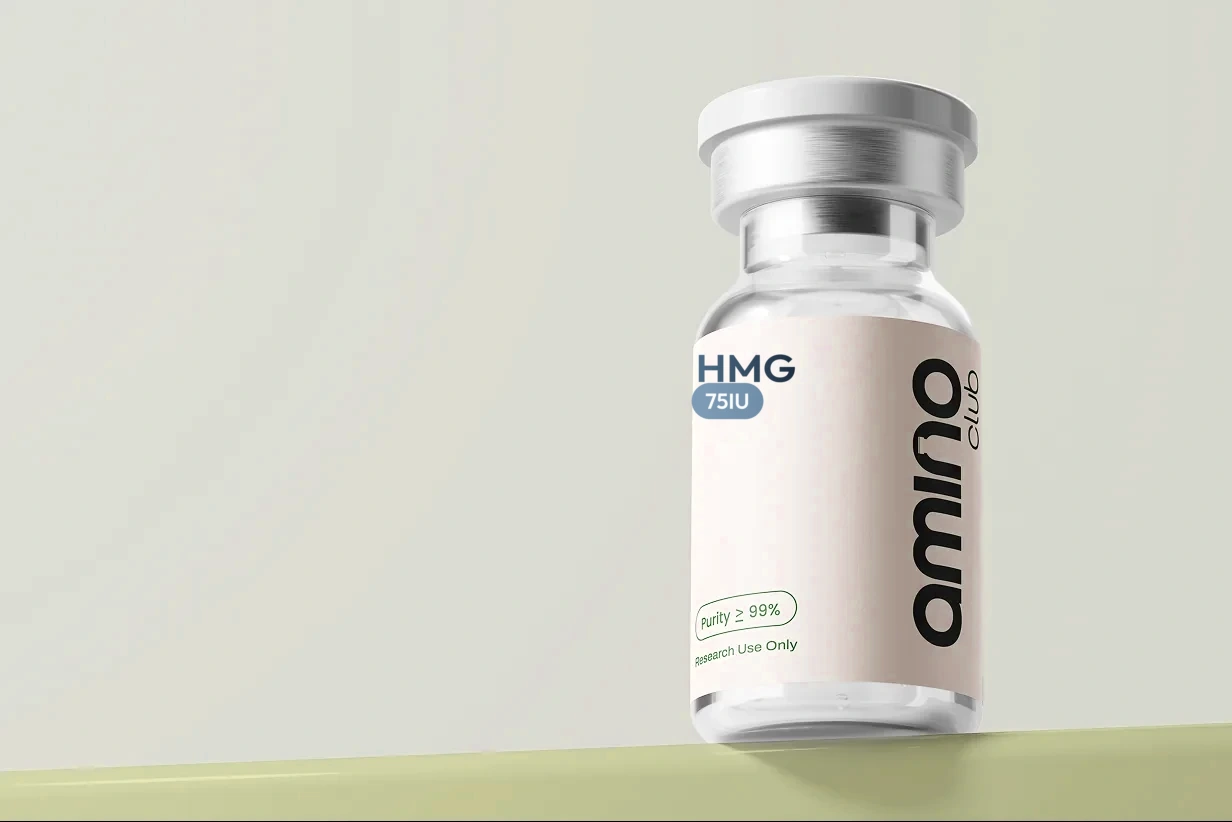
HMG
$65.00
Human menopausal gonadotropin, supplied as lyophilised powder for gonadotropin research.Human Menopausal Gonadotropin (HMG) is a hormone-based preparation containing follicle-stimulating hormone (FSH) and luteinizing hormone (LH) activity. It is studied in reproductive endocrinology for its role in ovarian function, follicular development, and gonadal hormone signaling. HMG is a prescription fertility medication in approved medical settings and should only be used under qualified medical supervision.
HMG: An Informational Guide to Human Menopausal Gonadotropin
Human Menopausal Gonadotropin (HMG) is a hormone preparation associated with reproductive endocrinology and fertility medicine. It contains follicle-stimulating hormone (FSH) and luteinizing hormone (LH) activity, two important hormones involved in reproductive function. HMG is used in specialized medical settings and is also a subject of scientific interest in studies of hormonal regulation, ovarian physiology, and reproductive biology.
What Is HMG?
HMG stands for Human Menopausal Gonadotropin. Traditionally, it is derived from the urine of postmenopausal women and processed to provide gonadotropin activity. Modern preparations are purified and manufactured under regulated pharmaceutical standards.
The two principal hormone activities associated with HMG are FSH and LH. These hormones are produced naturally by the pituitary gland and play complementary roles in reproductive function.
HMG is not a general wellness supplement or an ordinary research peptide. It is a biologically active hormone preparation with specific medical applications.
Understanding FSH and LH Activity
Follicle-stimulating hormone and luteinizing hormone are central components of the hypothalamic-pituitary-gonadal axis.
FSH contributes to ovarian follicular development and supports processes involved in sperm production. LH participates in ovulation-related processes and stimulates hormone production in reproductive tissues.
Because HMG provides both FSH and LH activity, it is relevant to investigations and clinical applications involving reproductive hormone signaling.
HMG and Reproductive Endocrinology
Reproductive endocrinology examines how hormones regulate fertility, ovarian function, testicular activity, and reproductive health.
HMG has an established role in certain fertility-treatment protocols. In women, medically supervised treatment may involve stimulation of ovarian follicular development as part of assisted reproductive technology.
In men with specific forms of hypogonadotropic hypogonadism, gonadotropin-based treatment may be considered by specialists in selected circumstances.
These applications require individualized evaluation, laboratory monitoring, and professional medical oversight. HMG is not appropriate for unsupervised use.
HMG in Hormone Research
HMG is relevant to scientific research involving:
- FSH and LH receptor signaling
- Reproductive endocrine regulation
- Follicular development
- Gonadal hormone production
- Hypothalamic-pituitary-gonadal communication
- Fertility-related biological pathways
Studying these processes helps researchers understand how reproductive hormones interact and how changes in endocrine signaling may affect reproductive physiology.
Product Quality and Pharmaceutical Standards
Because HMG is a biologically active hormone preparation, product quality and regulatory compliance are especially important.
Relevant considerations include verified product identity, pharmaceutical manufacturing standards, potency, purity, and appropriate documentation. Different preparations may vary in their composition and formulation.
For clinical products, users should rely on authorized pharmaceutical supply channels and official product information rather than assuming that all products marketed under the HMG name are equivalent.
Safety and Medical Considerations
HMG can cause adverse effects and requires medical supervision. Depending on the treatment context, potential concerns include ovarian hyperstimulation, multiple pregnancy, injection-site reactions, and other hormone-related complications.
Treatment decisions should be made by qualified healthcare professionals who can evaluate individual circumstances and monitor relevant clinical parameters.
This article is educational and does not provide dosing instructions or replace professional medical advice.
Final Thoughts on HMG
Human Menopausal Gonadotropin remains an important hormone preparation in reproductive endocrinology. Its FSH and LH activity makes it relevant to fertility medicine, reproductive physiology, and investigations of hormonal communication.
Understanding its composition, biological role, pharmaceutical quality, and medical supervision requirements provides useful context for anyone researching HMG. Its use belongs within appropriate clinical care and regulated medical settings.
Related products
Lab Supplies
Growth & Recovery
Growth & Recovery
Sexual Health