
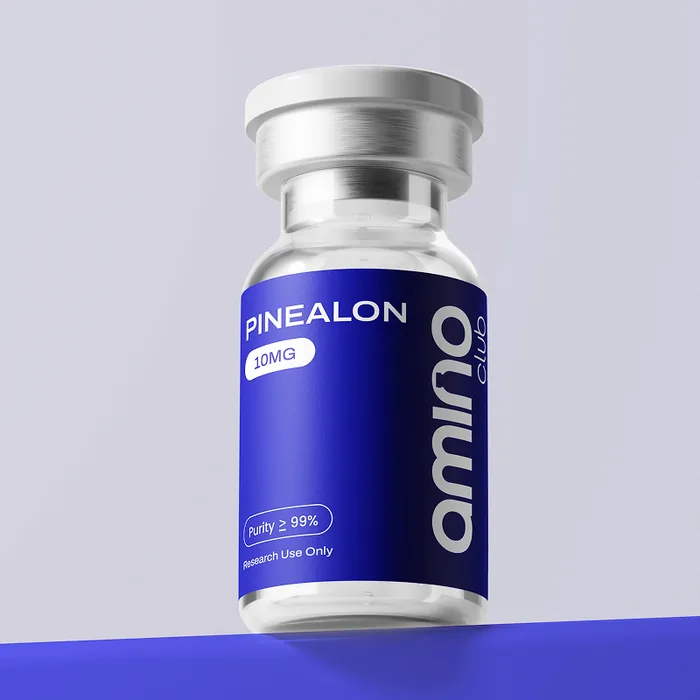
Pinealon
$109.00
Glu-Asp-Arg tripeptide studied in neuroprotective and pineal research.
Pinealon is a synthetic peptide research compound studied for its potential interactions with cellular and biological processes. Also known as EDR peptide, Pinealon is composed of three amino acids and has attracted interest in laboratory research involving cellular signaling, gene expression, and age-related biological processes. This product is intended for qualified research use only and is not intended for human consumption, diagnosis, treatment, or prevention of any disease.
Pinealon Peptide: Research Overview, Properties & Applications
Pinealon is a synthetic tripeptide that has gained attention within peptide and biotechnology research. Also referred to as EDR, Pinealon consists of three amino acids and has been investigated in scientific research involving cellular activity, gene expression, oxidative processes, and biological aging.
As interest in peptide research continues to grow, Pinealon provides researchers with an interesting compound for exploring how short peptide sequences may interact with complex biological systems. This article provides an informational overview of Pinealon, its characteristics, and its potential role in laboratory research.
What Is Pinealon?
Pinealon is a synthetic peptide consisting of a short sequence of three amino acids. Its small molecular structure makes it an interesting subject for laboratory investigation, particularly in studies examining peptide-mediated biological mechanisms.
Unlike larger proteins, short peptides can provide researchers with relatively simple molecular systems for investigating interactions between peptides and cellular pathways. Pinealon has therefore been included in research exploring mechanisms associated with cellular function and age-related biological processes.
Pinealon Peptide Research
Research involving Pinealon has explored several areas of biological science. Investigations have included its potential relationship with gene expression, cellular signaling, oxidative processes, and age-associated changes.
Importantly, laboratory findings should not automatically be interpreted as evidence of a proven effect in humans. Research involving experimental peptides can occur at different stages, including biochemical, cellular, animal, and observational studies. Results from one research model may not necessarily translate into equivalent outcomes in another.
For researchers, Pinealon can serve as a compound of interest when studying the mechanisms underlying peptide interactions and cellular regulation.
Pinealon and Cellular Research
One area of interest surrounding Pinealon is its relationship to cellular processes. Researchers studying short peptides may examine how specific amino-acid sequences interact with biological systems and whether these interactions influence cellular signaling or gene-expression pathways.
This makes Pinealon relevant to experimental research involving molecular biology and cellular regulation. Further research is necessary to establish the significance and reproducibility of findings across different experimental models.
Pinealon and Aging Research
Pinealon has also attracted attention in research concerning biological aging. Scientists investigating aging-related mechanisms may examine cellular changes, gene-expression patterns, oxidative processes, and other molecular factors associated with aging.
The study of peptides such as Pinealon may help researchers better understand the complex biological pathways involved in age-related cellular changes. However, Pinealon should not be presented as an established anti-aging treatment or as a clinically proven intervention.
Why Researchers Study Short Peptides
Short peptides are valuable research subjects because their relatively simple structures allow scientists to investigate specific molecular interactions. By studying individual peptide sequences, researchers can examine how structural characteristics may relate to biological activity.
Pinealon represents one example of a small peptide being investigated within broader research into cellular communication, molecular biology, and biological aging.
Pinealon Research-Use Considerations
When purchasing Pinealon for laboratory research, researchers should consider product identity, purity, documentation, storage requirements, and appropriate laboratory handling procedures. Reliable analytical documentation can help researchers verify the characteristics of a research compound before incorporating it into an experimental protocol.
Pinealon products should be handled according to applicable laboratory safety procedures and supplier documentation.
Pinealon Peptide: Research Summary
Pinealon is a small synthetic peptide that continues to generate interest in experimental peptide research. Its research profile includes investigations into cellular processes, gene expression, oxidative mechanisms, and biological aging.
For laboratories and qualified researchers, Pinealon can be considered a compound for controlled scientific investigation. Current research should be interpreted carefully, and experimental findings should not be presented as established medical benefits.
Pinealon is intended strictly for research purposes and is not intended for human or veterinary use, diagnosis, treatment, or prevention of disease.
Related products


Metabolic




Sexual Health



Longevity