
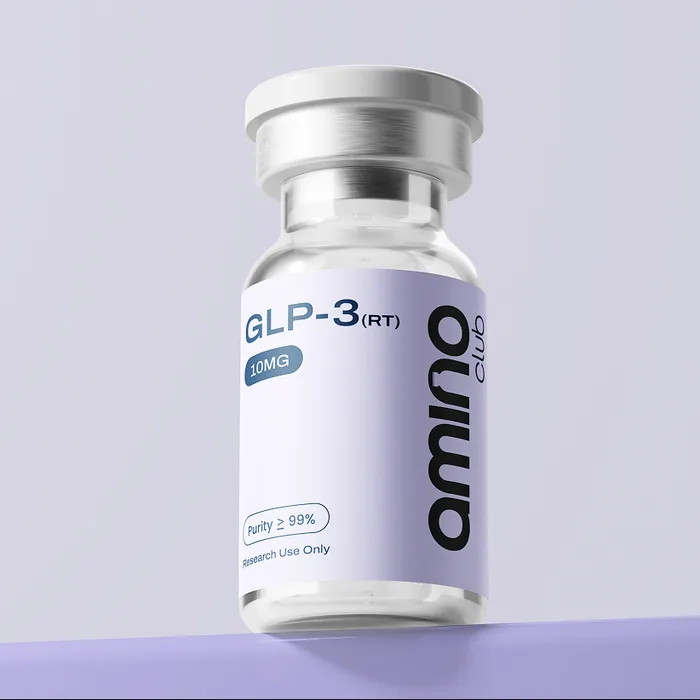
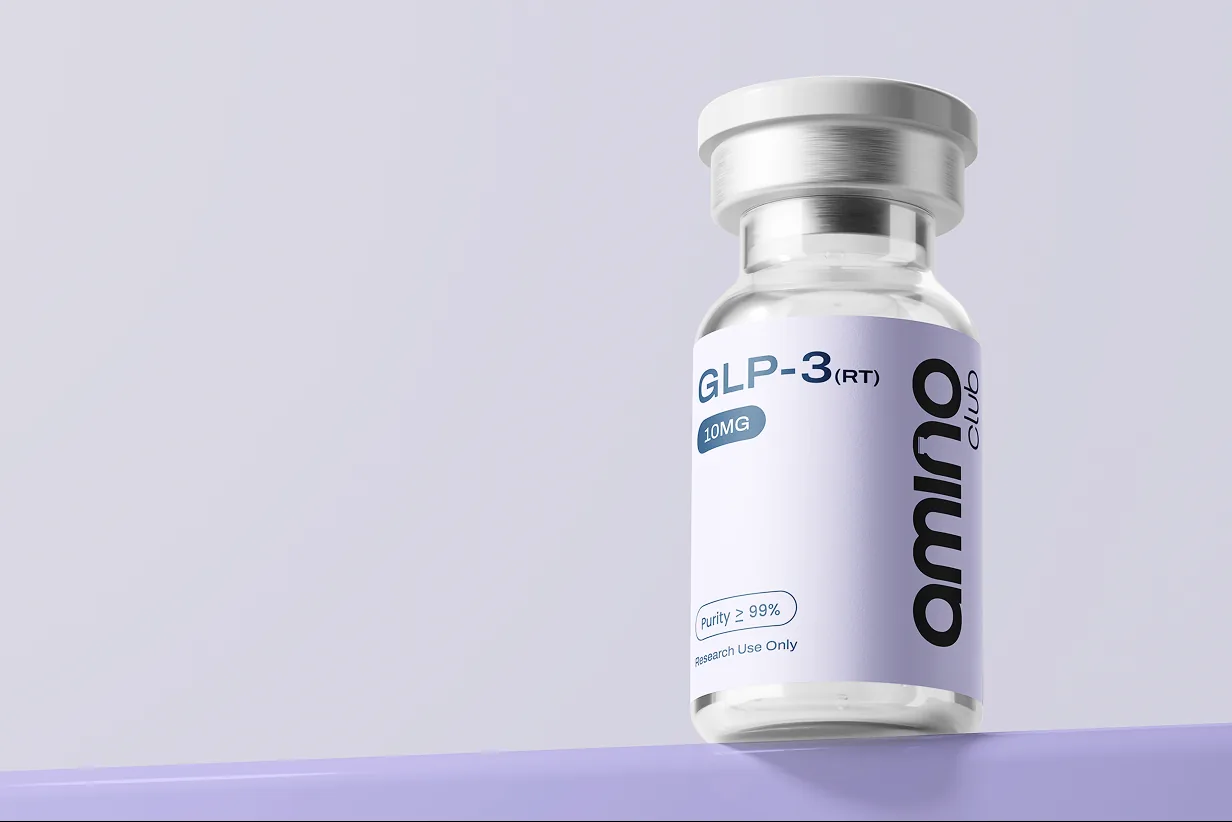
GLP-3 (RT)


Price range: $40.00 through $380.00
Retatrutide-class triple receptor agonist supplied lyophilised for advanced incretin research.
GLP-3 (RT) is an investigational peptide compound intended for research use. This product is presented for laboratory and scientific research involving peptide characterization, receptor-related studies, and metabolic research. Researchers should review the available specifications, purity information, storage requirements, and applicable laboratory protocols before use.
For research use only. Not intended for human or veterinary use.
GLP-3 (RT): An Informational Guide to This Research Peptide
GLP-3 (RT) is an investigational peptide compound that has attracted interest within the broader field of peptide and metabolic research. As research continues to explore peptide signaling, receptor interactions, and metabolic pathways, compounds such as GLP-3 (RT) can serve as subjects for laboratory investigation and characterization.
Because research peptides can differ significantly in structure, formulation, purity, and intended application, researchers should rely on verified product documentation and laboratory testing when evaluating a specific compound.
What Is GLP-3 (RT)?
GLP-3 (RT) is a research compound associated with ongoing scientific interest in peptide biology and metabolic signaling. The terminology surrounding emerging peptide compounds can vary between suppliers and research environments, making it important to distinguish established scientific information from preliminary or promotional claims.
For researchers, the primary focus should be on the compound’s documented identity, molecular characteristics, purity, formulation, and analytical data. These details help laboratories determine whether a research material is appropriate for a particular experimental protocol.
GLP-3 (RT) and Peptide Research
Peptide research covers a wide range of scientific disciplines, including molecular biology, biochemistry, pharmacology, and receptor research. Investigators may examine how specific peptide structures interact with biological systems under controlled laboratory conditions.
Research involving GLP-3 (RT) may therefore be relevant to scientists studying peptide properties, signaling pathways, molecular interactions, and related metabolic mechanisms. However, experimental findings should be interpreted carefully, particularly when working with emerging compounds for which comprehensive peer-reviewed evidence may be limited.
Key Considerations When Selecting GLP-3 (RT)
When sourcing a research peptide, product quality and documentation are important considerations. Researchers should look for information such as:
- Compound identification and description
- Reported purity level
- Batch or lot information
- Analytical testing documentation
- Storage recommendations
- Formulation and quantity
- Manufacturer or supplier specifications
A certificate of analysis (COA), when available, can provide useful information about the testing performed on a particular batch. Researchers should review the documentation carefully rather than relying solely on product names or marketing descriptions.
Research Applications and Laboratory Use
Investigational peptides may be studied using different laboratory approaches depending on the scientific objective. Researchers can investigate molecular characteristics, peptide stability, receptor-related mechanisms, or other biochemical properties through appropriately designed experimental protocols.
The exact research application depends on the compound’s verified characteristics and the methodology used by the laboratory. GLP-3 (RT) should therefore be treated as a research material rather than as an established therapeutic product.
Storage and Handling Considerations
Proper storage and handling are essential for maintaining the integrity of research peptides. Conditions can vary depending on the formulation, concentration, packaging, and manufacturer’s specifications.
Researchers should always follow the storage instructions supplied with the product. Appropriate laboratory handling procedures, documentation, labeling, and contamination controls should also be maintained throughout the research process.
Why Research Documentation Matters
Reliable documentation helps researchers evaluate whether a compound is suitable for their intended experimental work. Product specifications, analytical testing, and batch-specific information can make it easier to maintain consistency between experiments and assess the quality of research materials.
When investigating GLP-3 (RT), researchers should prioritize verifiable scientific and analytical information over unsupported claims about potential effects.
Final Considerations for GLP-3 (RT)
GLP-3 (RT) represents an investigational peptide compound for laboratory research and scientific investigation. Its relevance depends on the specific research question, experimental design, and verified characteristics of the material being studied.
Researchers should carefully review available analytical documentation and follow appropriate laboratory procedures when working with GLP-3 (RT). This approach supports responsible peptide research while keeping product information focused on documented scientific characteristics.
GLP-3 (RT) is intended for research purposes only and is not intended for human or veterinary use.
Related products


Metabolic


Growth & Recovery


Metabolic


Longevity


Sexual Health