
Thymalin
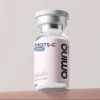
$60.00
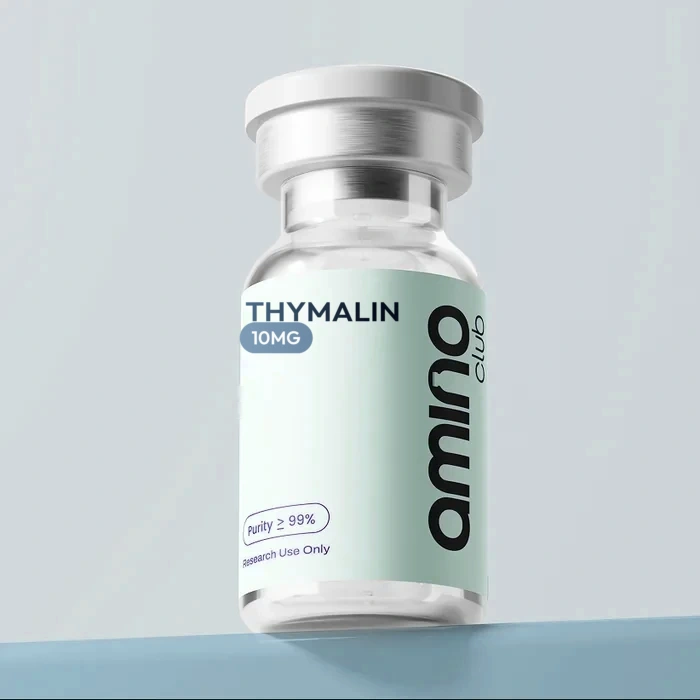
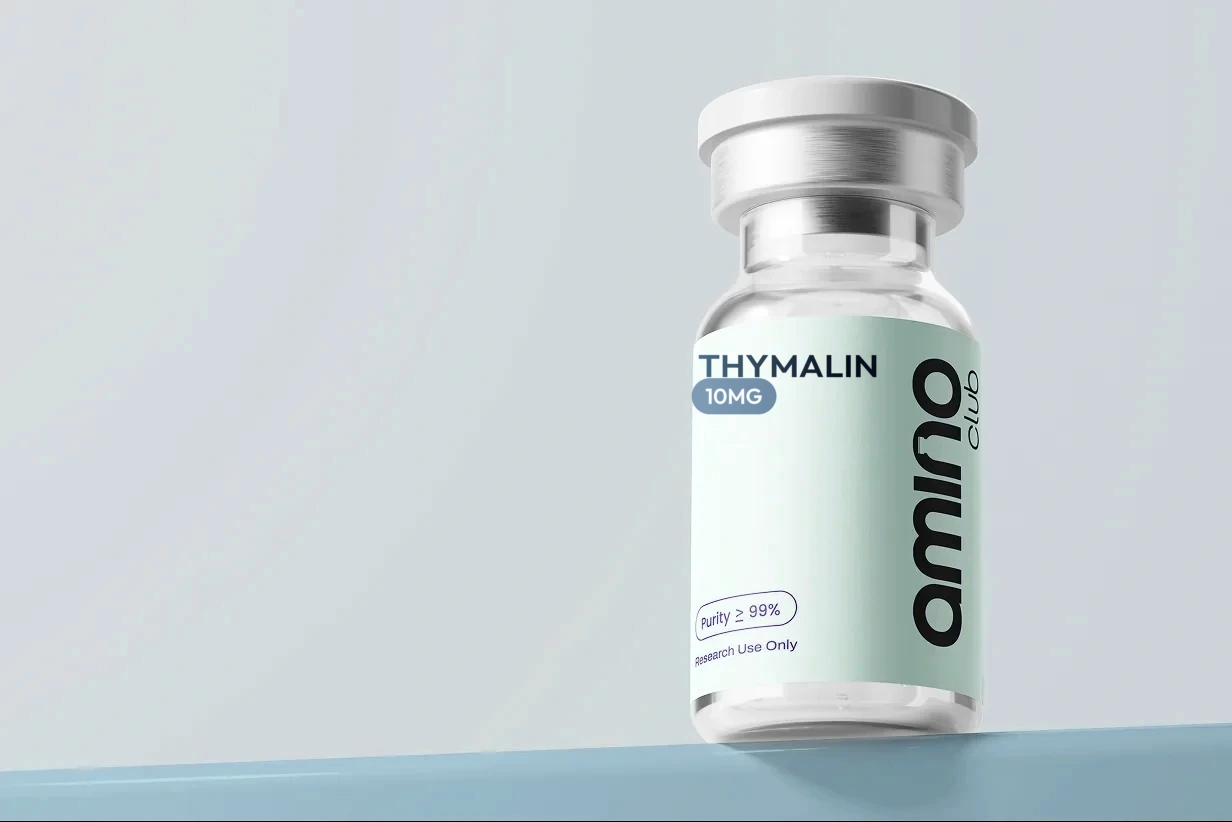
Thymic peptide extract supplied as lyophilised powder for immune signalling research.
Thymalin is an investigational peptide preparation studied in research involving thymic biology, immune-system signaling, cellular regulation, and age-related biological processes. Associated with research into thymus-derived peptide complexes, Thymalin is of interest to scientists investigating peptide signaling and immune-related pathways. For research use only and not intended as an approved medical treatment.
Thymalin: An Informational Guide to Thymic Peptide Research
Thymalin is an investigational peptide preparation associated with research into thymic biology, immune-related signaling, cellular regulation, and age-related biological processes. It belongs to a broader group of peptide compounds that have been investigated for their relationship with the thymus and biological pathways involved in immune regulation.
Scientific interest in Thymalin comes from research exploring how thymus-derived peptides may interact with biological systems. Because research findings can vary depending on the experimental model, Thymalin should be evaluated through scientific literature rather than unsupported claims about medical or anti-aging effects.
What Is Thymalin?
Thymalin is generally described as a preparation associated with thymic peptide research. The thymus is an important organ of the immune system and plays a significant role in the development and maturation of T lymphocytes.
Research into thymic peptides focuses on understanding the signaling molecules associated with thymic function and how these peptides may interact with biological pathways.
Understanding the Thymus
The thymus is located behind the breastbone and is particularly important during early life. It provides an environment where certain immune cells undergo development and maturation.
Thymic activity changes throughout the lifespan, which has led scientists to investigate the biological processes associated with thymic function and age-related changes.
Research into thymic peptides such as Thymalin provides an experimental approach for studying some of these biological mechanisms.
Thymalin and Immune-System Research
One area of scientific interest surrounding Thymalin involves immune-related research. Scientists investigate thymic peptides to better understand cellular communication and biological processes associated with immune regulation.
These studies can involve molecular biology, immunology, cellular signaling, and peptide research. However, experimental research should not automatically be interpreted as evidence that Thymalin can prevent, treat, or reverse immune-related diseases.
Thymalin and Aging Research
Thymic function is also an area of interest in aging research. As the thymus changes over the course of a person’s life, researchers study how these changes may relate to immune-system biology.
Thymalin has therefore appeared in research discussions involving age-related biological processes and thymic function. These areas remain scientifically complex, and findings from experimental studies should be distinguished from established clinical evidence.
Why Thymalin Is Studied
Thymalin is of interest because it provides researchers with a peptide-based material for investigating thymic signaling and related biological pathways.
Research applications may include studies involving immune-cell development, thymic biology, cellular communication, peptide signaling, and age-associated biological changes. The specific research application depends on the characteristics of the material and the objectives of the study.
Thymalin Product Quality and Documentation
Quality control is important when working with investigational peptide materials. Researchers evaluating Thymalin should consider product identity, purity, batch information, analytical testing, and available certificates of analysis.
Clear documentation can help laboratories verify the characteristics of a research material and maintain traceability between experiments. Product-specific analytical information should be reviewed before incorporating the material into a research protocol.
Storage and Handling Considerations
Thymalin should be stored and handled according to the manufacturer’s product-specific instructions. Peptide materials can be sensitive to environmental factors such as temperature, light, moisture, and contamination.
Researchers should review storage requirements before handling the product and maintain appropriate laboratory conditions. Good handling practices can help preserve research-material integrity and support consistent experimental work.
Thymalin for Research Applications
Thymalin may be relevant to research involving thymic biology, immunology, peptide signaling, cellular regulation, and aging-related biological research.
Researchers should rely on peer-reviewed scientific literature, validated laboratory methods, and product-specific documentation when evaluating experimental results. Controlled research conditions are essential for distinguishing reproducible findings from preliminary observations.
Important Research-Use Notice
Thymalin is an investigational peptide preparation and should not be represented as an approved medication, immune-boosting treatment, or anti-aging therapy. Research materials should be handled by qualified personnel in appropriate laboratory environments and used only where permitted by applicable regulations and institutional requirements.
Final Thoughts
Thymalin is a research-oriented peptide preparation associated with studies of thymic biology, immune-related signaling, cellular regulation, and age-associated biological processes. Its connection to thymic peptide research makes it relevant to investigations across immunology, molecular biology, and peptide science. Careful attention to product identity, analytical documentation, storage, and laboratory handling is essential when working with investigational peptide materials.
Related products
Longevity
Sexual Health

Metabolic
Longevity
Growth & Recovery